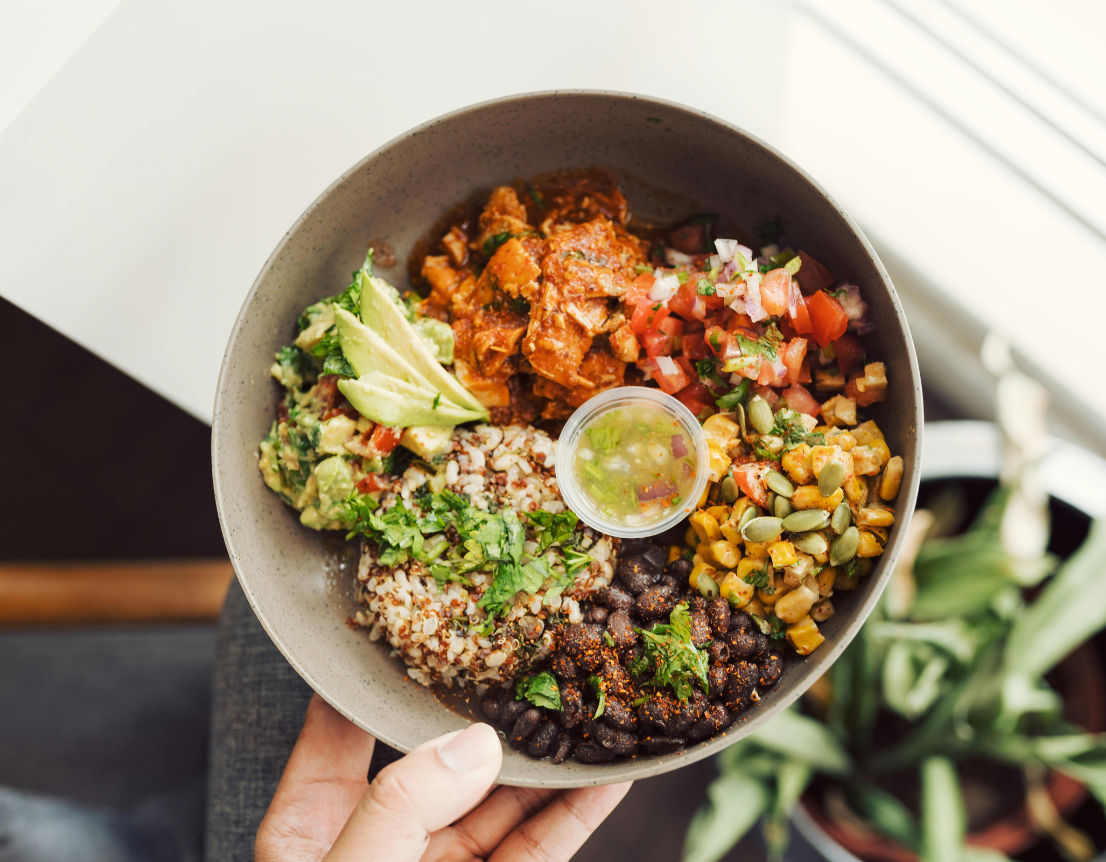
At its core, fibre-maxxing simply means intentionally increasing your daily fibre intake, often dramatically, with the goal of improving digestion and feeding the gut microbiome. And there’s no denying the science: most of us eat far less fibre than recommended, averaging around 15–20 grams per day instead of the ideal 25–30 grams. So it’s not surprising that a trend pushing people to eat more plants is gaining traction.
When done sensibly, fibre-maxxing can offer a range of benefits. A higher-fibre diet supports smoother digestion and more regular bowel habits, helping prevent constipation. It slows the release of glucose into the bloodstream, reducing blood sugar spikes and improving insulin sensitivity, an important factor in managing energy, cravings, and metabolic health.
Fibre also plays a role in hormone balance, particularly through its effect on oestrogen metabolism. And perhaps one of the biggest advantages is its impact on the gut microbiome: a diverse fibre intake encourages the growth of a wider range of beneficial bacteria, which is linked to everything from stronger immunity to improved mood regulation. Long term, higher fibre intakes are associated with lower risks of heart disease, colon cancer, and type 2 diabetes.
But the version of fibre-maxxing plastered across TikTok, where people jump from low fibre diets to bowls containing 10+ plant foods overnight, comes with problems. Increasing fibre too quickly can lead to bloating, gas, abdominal pain, constipation, or diarrhoea. For people with IBS or sensitive guts, certain fermentable fibres in legumes, onions, garlic, and wheat bran can trigger symptoms. And while fibre is incredibly beneficial, social media often promotes unrealistic portion sizes that don’t consider individual tolerance, existing gut issues, or the need for fluid to help fibre move through the digestive system.
Save this dietitian’s guide to increasing fibre safely (without the bloat):
Instead of tracking grams obsessively, think in simple food swaps. Each swap adds roughly 5 grams of fibre, enough to increase gradually without overwhelming your gut.
Week 2: Add one more swap per day.
Week 3: Add another, until you reach your preferred fibre intake (usually 25–30 g/day for women).
This approach = effortless increases with minimal discomfort.
This is especially important with:
Aim for steady fluid intake throughout the day, not just one big bottle at the gym.
A healthy gut needs variety, not just more grams.
This supports microbiome diversity and smoother digestion.
Gentler, low-FODMAP-friendly fibres include:
Fibre-maxxing isn’t a bad idea, it’s just often done badly. Your gut thrives on fibre, but it thrives even more on gradual change, variety, and enough hydration. Start small, build up slowly, and focus on smart swaps rather than extremes.
Your gut (and your hormones, mood, and energy) will thank you.

.png)